
The core finding from a June 2026 survey of 101 enterprise organizations is uncomfortable but useful: 71% report that a quarter or fewer of their deployed "agents" actually execute genuine multi-step workflows. Only 10% have crossed the 50% threshold. Companies are building serious orchestration infrastructure for a portfolio that is still dominated by single-prompt chatbot wrappers — the platform is ahead of the work.
On the platform side, Anthropic's Claude holds the primary orchestration position at 40%, more than double Microsoft (18%) and OpenAI (13%). The mechanism is what the report calls "model gravity" — enterprises gravitate toward the orchestration environment bundled with whichever frontier model they've already standardized on. Open-source frameworks like LangChain and LangGraph get significant attention in engineering communities but land in single digits for primary production deployment. Satisfaction is modest (3.94 out of 5), ease of implementation scores lowest, and 68% plan to adopt a new or replacement platform within twelve months — the highest switching intent of any layer tracked in this research.
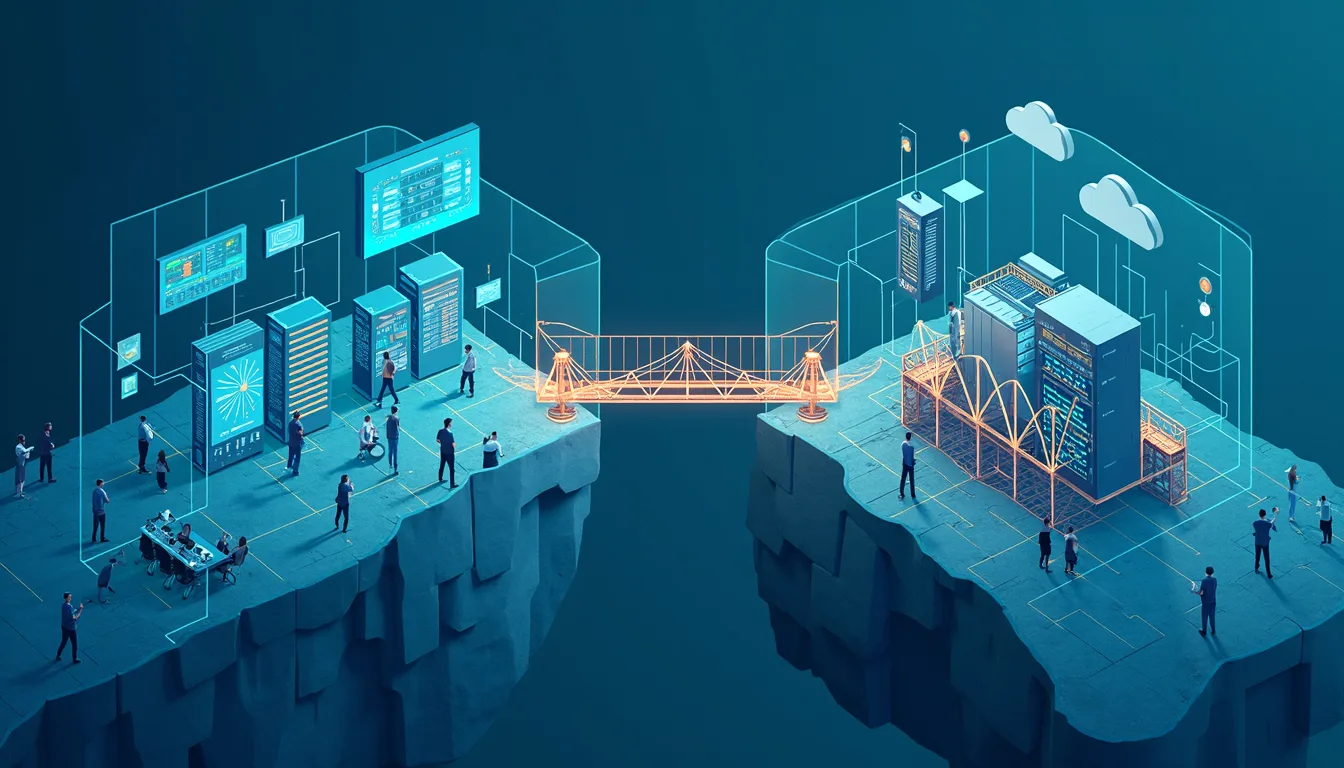
Vendor lock-in is the dominant concern (35%), ahead of security limitations (28%) and model inflexibility (21%). That anxiety is shaping architecture directly: 51% of enterprises expect to run a hybrid control plane by end of 2026 — provider-native tooling combined with an external orchestration layer they own and govern. Only 6% plan to hand control entirely to a provider-managed service. If you're designing agent infrastructure today, a hybrid control plane isn't a cautious hedge; it's the consensus answer among organizations that have thought it through.
Spending priorities reveal where the real gaps are. Agent workflow tooling leads investment growth (34%), followed by security and permissions enforcement (25%) and scaling infrastructure (20%). Monitoring and observability draws only 11% — organizations are building and hardening orchestration, not yet prioritizing visibility into it. The sharpest operational blind spot is fiscal control: 27% have no real-time mechanism to halt a runaway agent before costs accumulate, and 32% rely entirely on provider-native spend caps. Only 23% have built custom cost gateways, and 19% use cross-model routing to manage token burn as a deterministic engineering problem rather than a reactive one.
Size matters significantly here. The chatbot-disguised-as-agent problem is most acute in smaller organizations: 77% of enterprises under 2,500 employees report that a quarter or fewer of their agents do genuine multi-step work, compared to 62% of larger ones. Smaller organizations are also disproportionately exposed on fiscal controls — roughly one in three exercises only reactive spend management. For builders and architects, the actionable priorities are clear: close the gap between chatbot wrappers and real orchestrated workflows, design a hybrid control plane from the start, and treat real-time cost gating as a hard engineering requirement before agents reach production scale.