
OpenAI's new physical AI keypad is a specialized input device aimed squarely at developers and technical users — not the average consumer. If you write code or live inside AI workflows all day, it may genuinely accelerate how you interact with models. If you don't, it will likely feel like a solution looking for a problem.
The device functions as a dedicated hardware interface for triggering AI actions, essentially giving frequent users programmable shortcuts that bypass the standard keyboard-and-browser loop. Think of it as a macro pad tuned specifically for AI interaction rather than general computing tasks.
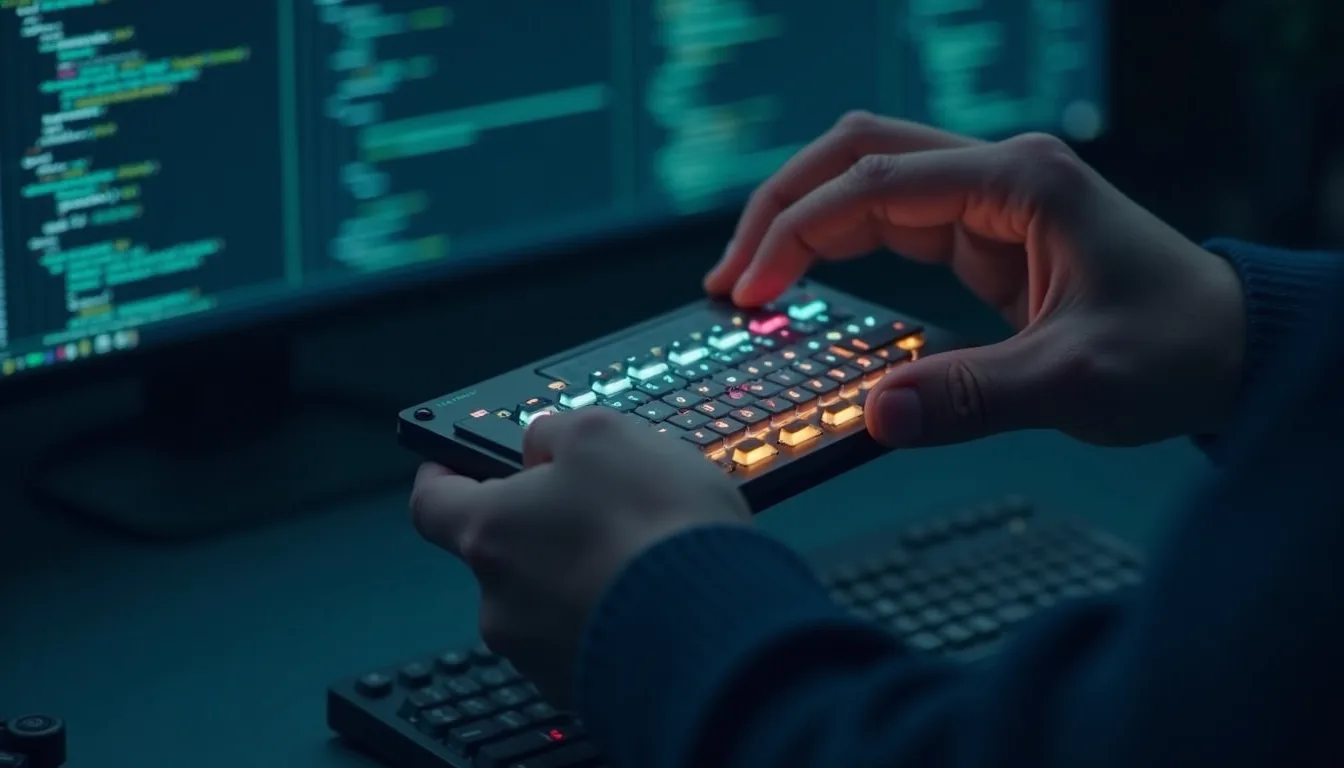
For coders, the appeal is real: reducing friction when querying models, running completions, or switching contexts can add up to meaningful time savings across a workday. Hardware shortcuts that developers already use for IDE commands or terminal workflows translate naturally to AI-assisted coding environments.
The honest caveat is that the audience for this is narrow. Most professionals — even technically sophisticated ones — interact with AI tools sporadically enough that a dedicated physical device adds complexity rather than removing it. The learning curve and desk real estate may not be worth it unless AI querying is a near-constant activity in your work.
If you're evaluating whether this belongs in your setup, the practical test is simple: count how many times per hour you manually invoke an AI tool. If that number is in the double digits, dedicated hardware input starts making sense. If it's occasional, a well-configured keyboard shortcut layer does the same job for free.