
The practical takeaway here isn't technical: no critical flaw in Anthropic's models triggered this action. The Trump administration's pressure that led Anthropic to pull its newest cybersecurity-oriented models appears driven by political calculation — whether reactive, retaliatory, or both — rather than any genuine safety incident.
That distinction matters enormously for builders and enterprise teams relying on frontier AI models. When a model gets pulled, your integrations break, your workflows stall, and your customers notice. The risk isn't just a vendor going out of business — it's a government decision made overnight with little technical justification.
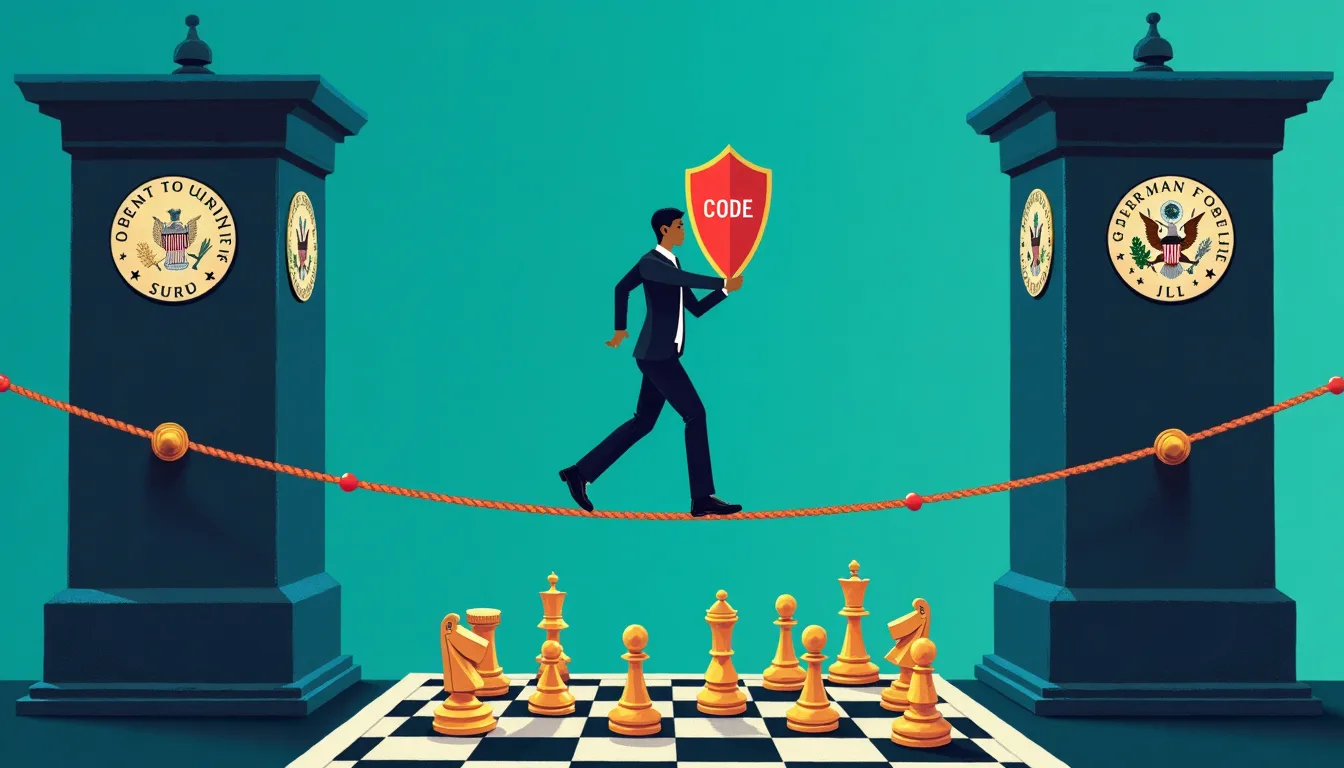
For the AI industry broadly, this sets a concerning precedent. Cybersecurity tooling is an obvious pressure point: governments have always been sensitive about dual-use capabilities, and AI models that assist with vulnerability research or offensive security analysis sit squarely in that crosshairs. Anthropic isn't a small player — it has received significant government contracts and investment — which makes this intervention all the more striking.
What can you do with this information? First, build vendor diversification into any critical AI-dependent workflow. Relying on a single provider's model family for security-sensitive applications is now demonstrably a policy risk, not just a technical one. Second, watch how other frontier labs — OpenAI, Google DeepMind, Mistral — respond to this episode; their public positioning will reveal how much regulatory pressure is already shaping product decisions behind the scenes.
The broader message is unambiguous: the AI industry operates inside a political environment, not above it. Builders who treat model availability as a given are making a planning mistake. Contingency matters.