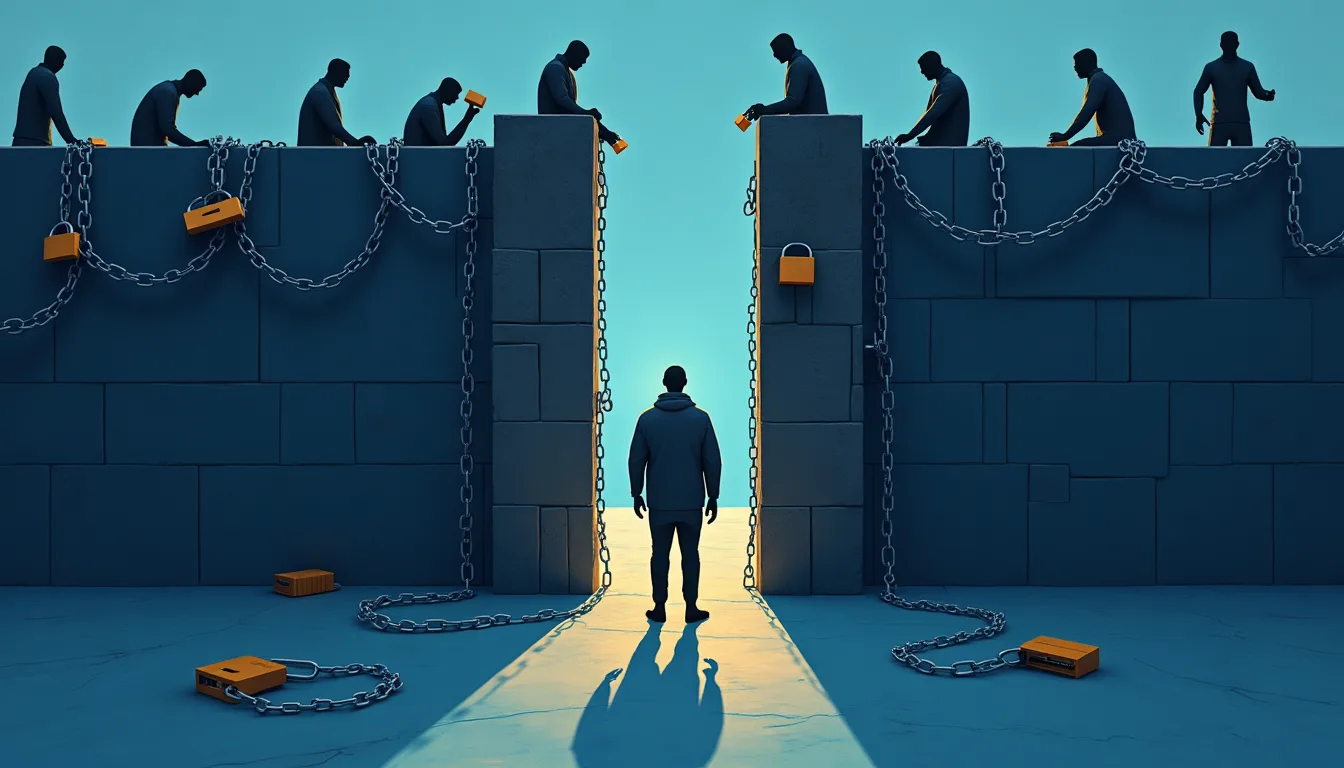
The practical concern here is straightforward: if the most capable AI models are off-limits to US-based security teams due to export-control classifications, those teams lose access to tools that can meaningfully accelerate vulnerability research, code auditing, and threat analysis. Dozens of veteran cybersecurity professionals have now put that concern in writing, formally urging the White House to reverse restrictions on Anthropic's Fable and Mythos models.
The argument isn't about commercial convenience — it's about asymmetry. Offensive actors, whether nation-state groups or criminal organizations, are not bound by US export regulations. If powerful frontier models are restricted for domestic defenders but remain accessible to adversaries through other channels, the controls create a net-negative security outcome for the US.

Fable and Mythos represent Anthropic's highest-capability tiers. Security practitioners use models at this level for tasks like identifying subtle logic flaws in complex codebases, generating proof-of-concept exploits for internal red-teaming, and automating the triage of large vulnerability datasets — work where raw model capability directly translates to better outcomes.
The signatories are asking for a policy carve-out or outright removal of the restrictions, not a wholesale rollback of AI export controls. That's a meaningful distinction: the request is targeted, not a blanket industry lobbying position.
For builders and security engineers following this: the outcome of this push will directly affect which tools are available for compliance-sensitive work, particularly in government contracting and critical infrastructure contexts. Watch for White House or BIS responses in the coming weeks — any policy shift here will ripple into procurement decisions and acceptable-use frameworks across the sector.