
OpenAI has extended its voice mode beyond mobile, landing it in the ChatGPT desktop application. The practical upshot: you can now speak to ChatGPT on your computer and have it take action through agentic workflows, not just generate a text response.
The integration connects voice input to two distinct systems. ChatGPT Work handles broader productivity and task-automation scenarios, while Codex — OpenAI's coding-focused agent — can be directed by voice to write, review, or execute code. That combination makes voice a genuine control layer, not just a novelty input method.
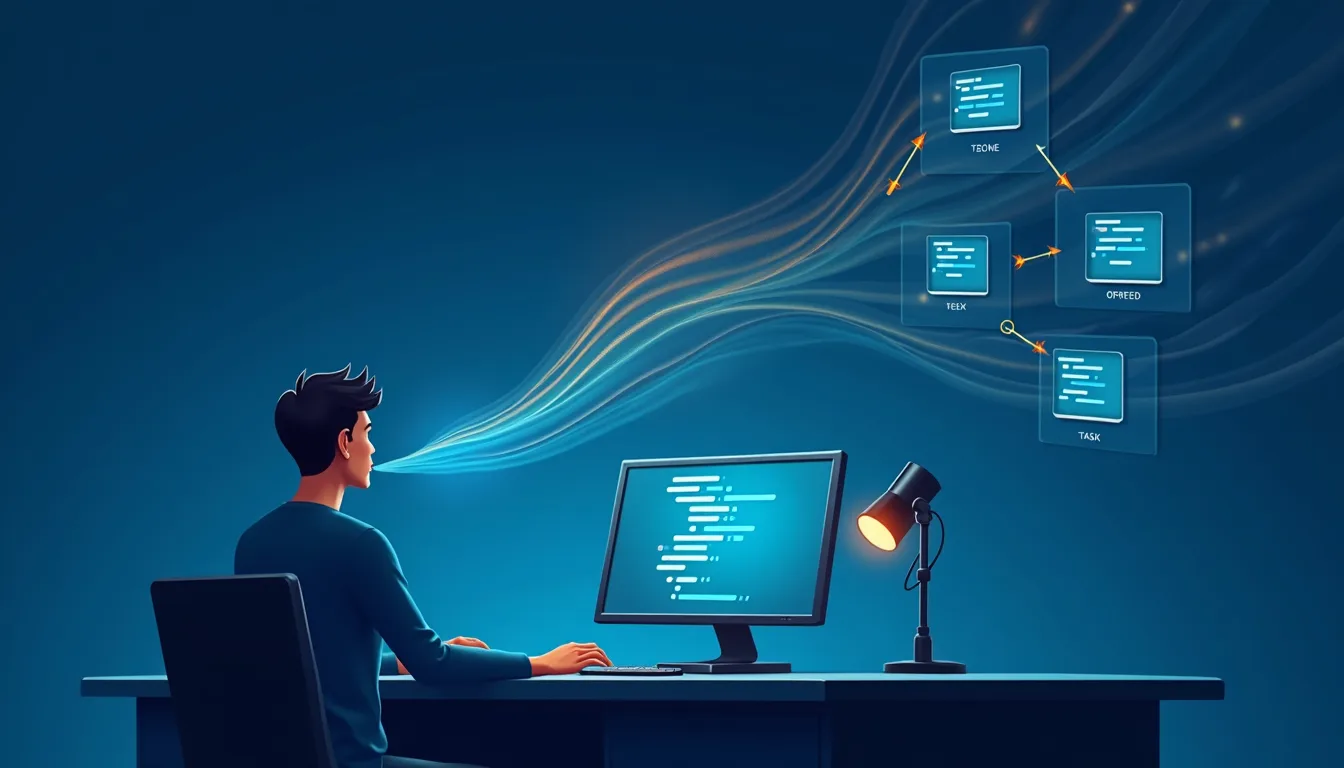
For builders and technical professionals, this matters because it lowers the friction of delegating multi-step tasks. Instead of typing out a detailed prompt, you can describe a goal conversationally and let the agent handle the sequencing. That workflow is already familiar from mobile assistants, but desktop is where most serious development and knowledge work actually happens.
The immediate use case is hands-free agent control during complex workflows — narrating what you need while your hands stay on other tools. Longer term, it signals that voice is becoming a first-class interface for agentic systems, not an afterthought ported from consumer products.
If you're already using the ChatGPT desktop app, check for the voice mode option in your interface — availability is rolling out to users progressively. Test it specifically with Codex tasks to gauge how well spoken intent translates into accurate agent instructions before committing it to any production workflow.