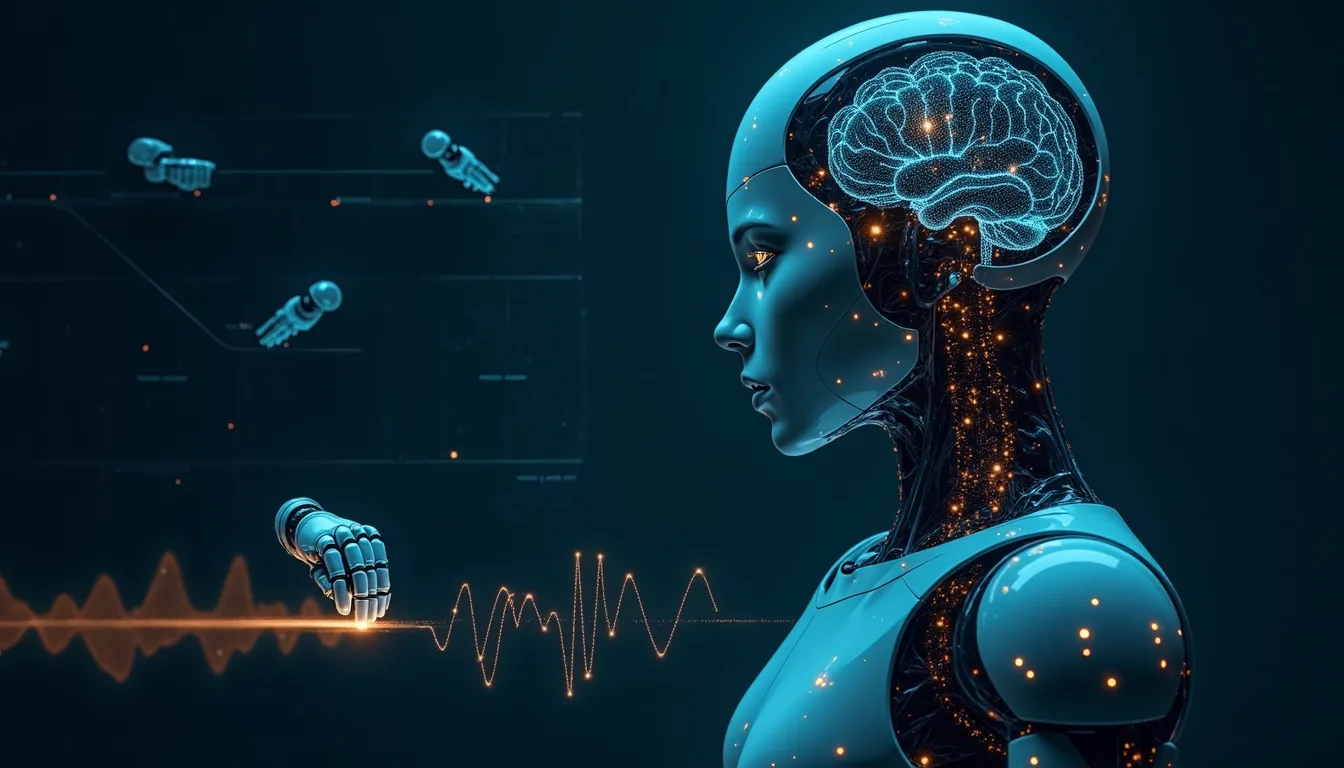
The practical takeaway first: if you're building or evaluating physical AI systems — robots, autonomous manipulation, embodied agents — the data bottleneck is no longer compute or model architecture. It's the quality and richness of training signal. Generic internet video simply doesn't carry enough information about intent, force, and spatial reasoning to push frontier models further.
Current leading approaches require multiple synchronized camera angles capturing the same action simultaneously, combined with dense frame-by-frame annotation that describes not just what is happening but why. This is expensive and slow to produce at scale, which is why the field is actively hunting for shortcuts or alternative signal sources.
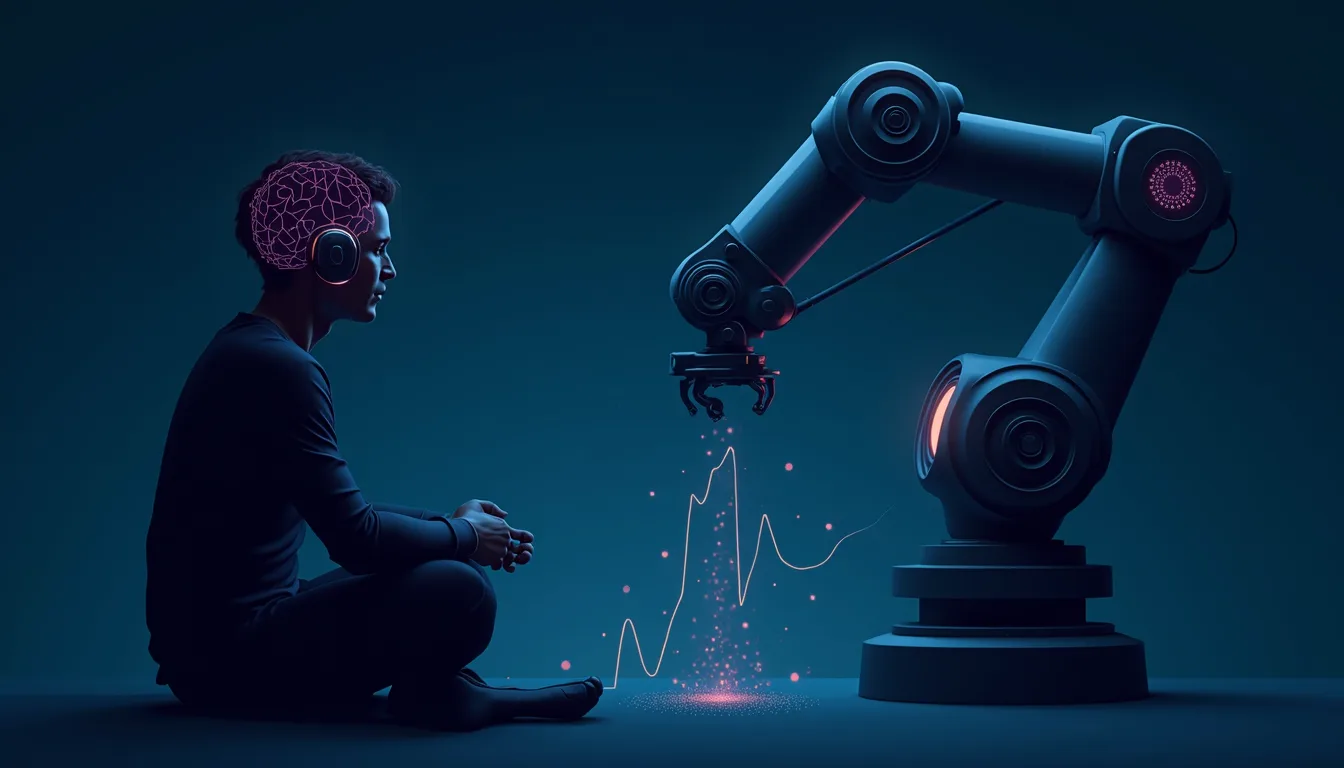
Brain-wave recordings — specifically EEG data captured while humans perform or observe physical tasks — are emerging as a serious candidate. The core idea is that neural signals encode intention and predictive motor planning before a movement even begins, giving a model access to information that no external camera can capture. That leading signal could help robots anticipate the next step in a task rather than react to it.
For builders, this opens a few concrete directions worth watching: EEG-augmented teleoperation datasets, where a human operator's brain activity is recorded alongside robot demonstrations; cross-modal training that fuses neural signals with vision and proprioception; and annotation pipelines that use decoded intent signals to reduce the manual labeling burden on video data.
The broader point is that physical AI is entering a data-curation era similar to what large language models went through when teams moved from raw web scrapes to carefully filtered, structured datasets. The teams that figure out scalable, high-signal data collection for embodied tasks — whether through brain waves or other dense sensing modalities — will hold a significant advantage over those still relying on unstructured video.