
Security researchers at 8rank.ai have published a detailed teardown of two macOS daemons — knowledgeconstructiond and intelligenceplatformd — that have shipped on every Mac since 2022. Together, they build and maintain a local knowledge graph about the device owner, their social network, their routines, and their relationships. The only official documentation Apple provides is a single sparse man page. The researchers went considerably further.
The graph lives in ~/Library/IntelligencePlatform, a directory of 51 plaintext SQLite databases gated behind TCC Full Disk Access. The core file, graph.db, is a triple store with 181 entity classes and 278 predicates. Every entry is a subject–predicate–object triple with a confidence score, source attribution, and timestamp. Input sources include Contacts, Calendar, Photos (face recognition), Messages, Mail, Health's Medical ID emergency contact, Family Sharing membership and ages, Siri Suggestions, App Intents donations from third-party apps, and a stream of device behavioral signals covering Wi-Fi, Bluetooth, screen state, ambient light, and movement. A separate table logs every communication event — who, when, which app, which direction — pulled from all devices linked to the account, with no message content but full metadata.
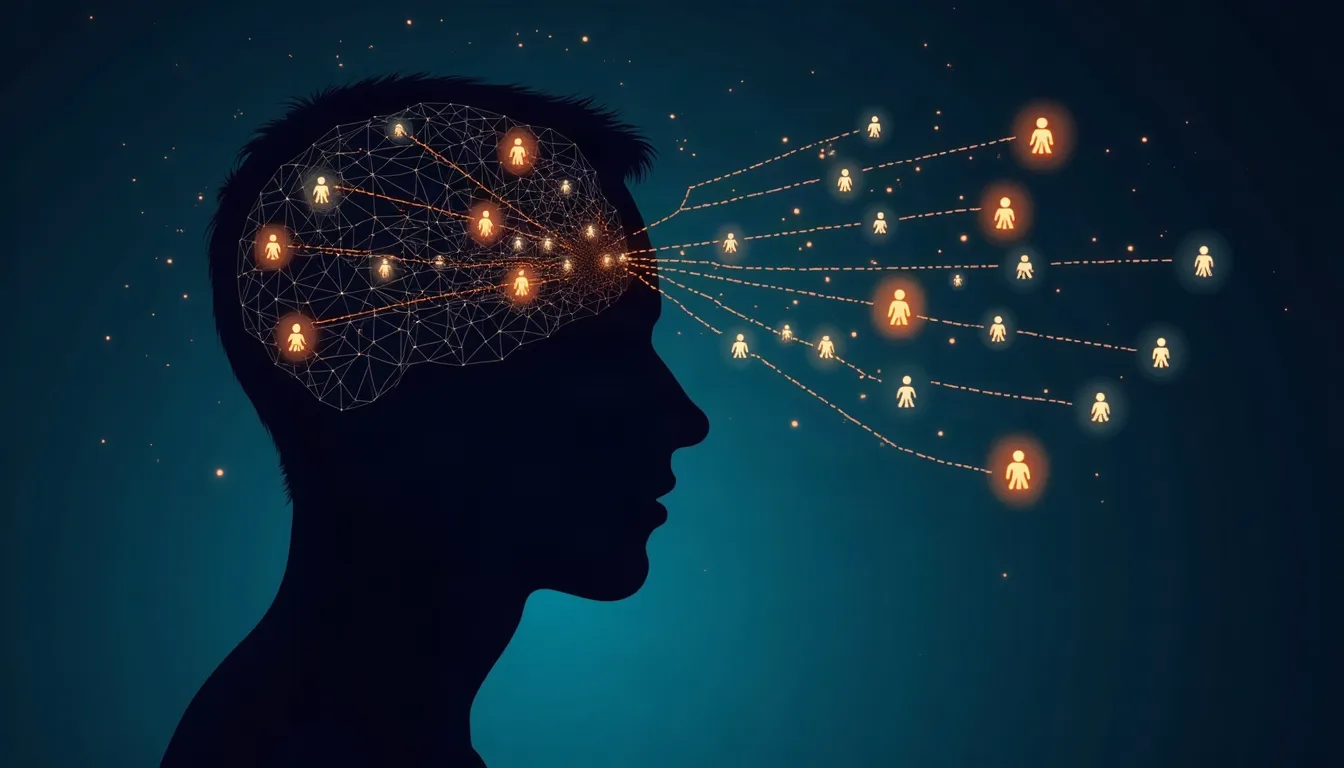
The most significant undocumented capability the researchers identified is kinship inference: the system attempts to classify the relationship type between the user and each person in their graph — family member, colleague, romantic partner, and so on — and stores that classification with a confidence value that can be revised over time. Apple published a research paper in 2023 describing the underlying techniques, but has released nothing explaining how those techniques are integrated into shipping macOS, which versions run them, or exactly what is inferred. The researchers confirmed their findings on macOS 26 (build 26.6.2).
For builders and security professionals, the practical implications split into two areas. First, this graph is described as the retrieval store that Apple Intelligence LLM features query — meaning the quality and scope of on-device AI responses is directly tied to how much this graph has accumulated about you. Second, the researchers walk through a threat model: if this database is exfiltrated (it is plaintext, protected only by TCC), an attacker combined with an unconstrained LLM has a highly structured, confidence-scored dossier covering your family structure, daily schedule, communication patterns, and physical location history. The researchers call this a "privacy single point of failure."
To make the data inspectable, the team released an open-source local dashboard called iKnow that reads your personal graph.db and presents its contents without sending anything off-device. If you want to understand what macOS currently holds about you before Apple Intelligence features expand further, that tool is the most direct way to audit it. The repository link is available on the 8rank.ai post. At minimum, developers building apps that donate data via App Intents should understand they are contributing structured, confidence-weighted edges into this graph — not just loose suggestions.